
Views: 0 Author: Site Editor Publish Time: 2025-10-01 Origin: Site


Air Compressor needs vary across industries. Should you buy or rent? Choosing wisely affects costs and efficiency. In this article, you will learn key factors to guide your decision. We will explore usage, costs, and operational impacts to help you decide confidently.
The frequency of air compressor usage is one of the most influential factors in deciding between purchase and rental. If a business relies on compressed air for daily production or high-volume tasks, owning a unit provides consistent access without scheduling limitations. Conversely, occasional use for short-term projects may justify renting, saving upfront capital. Evaluating usage patterns helps prevent unnecessary expenditure while ensuring operational continuity. Companies should track project cycles and peak demand periods to estimate how often the equipment will be needed.
Production requirements dictate the size, capacity, and type of air compressor necessary. High-volume processes require units capable of sustaining consistent pressure and output without overheating or reducing performance. Assessing project demands ensures that the selected compressor matches operational needs, minimizing downtime. In addition, understanding peak workloads helps in identifying whether a standard or high-capacity model is appropriate. This analysis should include both current and projected future production to avoid capacity shortages.
Different industries have unique compressed air needs. Automotive, manufacturing, and construction operations often demand specialized equipment capable of handling precise applications. For instance, manufacturing delicate parts may require compressors with advanced control systems or low-pulsation capabilities. Customization options, such as attachments or integrated dryers, may improve efficiency and product quality. Failing to consider industry-specific requirements can result in equipment that underperforms or incurs higher operational costs.
The duration and nature of projects affect whether rental or purchase is more appropriate. Short-term or seasonal projects benefit from rental units, providing flexibility and avoiding long-term financial commitment. Conversely, continuous production processes justify purchasing a compressor, delivering long-term value and operational control. This distinction helps businesses allocate resources efficiently and ensures equipment availability when needed. Evaluating project timelines alongside frequency of use provides a clear perspective on optimal acquisition strategy.
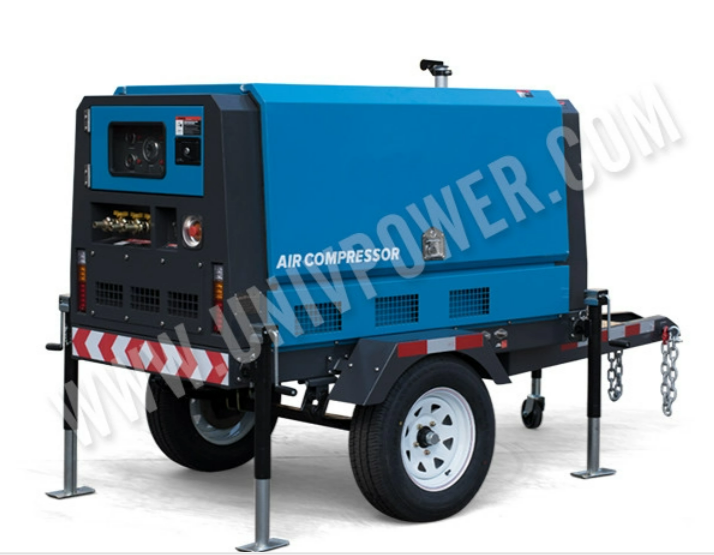
Purchasing an air compressor involves a significant upfront cost, whereas rentals offer lower immediate expenses. Businesses must balance capital allocation against long-term operational savings. Over time, repeated rental fees may exceed the cost of purchase, making ownership more financially advantageous for frequent users. Budgeting should include the purchase price, installation, and potential financing costs. Understanding the long-term impact helps organizations make informed investment decisions.
Ownership requires routine maintenance, repairs, and potentially dedicated staff to monitor equipment performance. These responsibilities increase operational costs but can extend equipment life and ensure reliability. Rental units typically include maintenance, reducing administrative and operational burdens. Comparing these cost structures highlights the trade-offs between responsibility and convenience. Businesses should also consider insurance and liability coverage differences between owned and rented units.
Evaluating ROI requires analyzing total costs against projected revenue gains. If owning an air compressor generates net savings over rental expenses, purchase may be justified. In scenarios with sporadic usage, rental may remain the more cost-effective option. Calculating ROI also involves factoring in efficiency gains, downtime reduction, and potential tax advantages from asset amortization. This comprehensive analysis ensures decisions align with financial strategy and operational goals.
Purchased air compressors depreciate over time, affecting accounting and resale value. Businesses can leverage amortization and potential tax write-offs to offset operational costs. However, technological advancements may render older units less efficient, creating a risk of obsolescence. Rentals mitigate this concern by providing access to up-to-date equipment without long-term commitment. Incorporating asset management into the evaluation ensures that financial planning accurately reflects equipment lifecycle and replacement needs.
Cost Comparison of Air Compressor Purchase vs. Rental
Factor | Purchase | Rental |
Upfront Cost | High | Low |
Maintenance Responsibility | Owner | Provider |
Long-Term ROI | Potentially High | Limited |
Flexibility | Low | High |
Obsolescence Risk | Medium-High | Low |
Tax Benefits | Possible | None |
Access to rental units depends on geographic location and supplier networks. Limited availability or long lead times can delay projects, affecting deadlines and client satisfaction. Evaluating local rental infrastructure ensures businesses can rely on temporary equipment when needed. Contingency planning, including pre-booking units or identifying multiple suppliers, reduces risk. Availability analysis should be conducted before project planning to avoid operational interruptions.
Rentals provide operational flexibility for businesses with fluctuating workloads or seasonal demands. Short-term use avoids tying up capital while still providing necessary capacity. Ownership supports consistent operations, guaranteeing immediate access for ongoing production. Balancing flexibility with operational requirements ensures that resource allocation aligns with business objectives. Businesses should weigh the benefits of agility against the control and consistency offered by ownership.
Purchasing an air compressor supports business expansion by enabling continuous production and scalability. Owning equipment ensures that operations are not constrained by rental limitations or supplier availability. Rentals, on the other hand, provide a stopgap solution during uncertain growth periods. Decisions should consider both current production needs and future expansion plans to maximize operational resilience. Scalable solutions maintain performance without requiring repeated investments in temporary equipment.
Matching compressor capacity to operational demand ensures efficient production. Undersized units may compromise output, while oversized units increase energy consumption unnecessarily. Assessing volume, pressure, and duty cycle requirements ensures reliable performance under various workloads. Evaluating compressor specifications against project needs prevents operational bottlenecks and unnecessary expenditures. This alignment is critical for industries that rely on consistent compressed air performance.
Energy efficiency impacts operational expenses significantly over the compressor’s lifecycle. Owning high-efficiency units can reduce electricity or fuel costs, providing long-term savings. Rental units may offer less predictable efficiency depending on model availability. Comparing operational costs alongside energy ratings ensures businesses select equipment that optimizes both performance and expense. Efficiency assessments should include projected usage patterns and peak load conditions.
Ownership allows technical customization to meet specific workflow requirements. Add-ons such as integrated dryers, filters, or control systems enhance process efficiency and product quality. Rental units are often standardized, limiting customization options. Businesses with specialized requirements may benefit more from ownership, enabling precise adjustments to optimize performance. Evaluating workflow compatibility with equipment features ensures operational effectiveness.
Rental providers frequently offer access to the latest technology, allowing businesses to leverage innovative features without long-term investment. Owned units may lag behind in technology, potentially affecting competitiveness. Balancing access to cutting-edge equipment against control and ownership benefits helps businesses optimize performance and cost. Strategic decisions should consider both immediate technological advantages and long-term operational consistency.
Purchased compressors require dedicated storage, impacting facility layout and space allocation. In contrast, rentals reduce storage needs by returning equipment after use. Evaluating space constraints is crucial, especially for businesses with limited floor area or multiple operational sites. Proper planning ensures safe, convenient access without disrupting other operations. Storage considerations should factor in size, noise, and accessibility.
Ownership necessitates internal planning for delivery, installation, and setup, which may require additional resources. Rental units often include delivery and setup as part of the service, minimizing logistical burden. Businesses should evaluate transportation costs, equipment weight, and installation requirements to ensure smooth operational integration. Efficient logistics planning supports uninterrupted production and reduces downtime risk.
The proximity of compressors affects operational efficiency and response times. Immediate availability of owned units ensures readiness during peak demand or emergencies. Rental units may face delays if transportation is slow or supplier availability is limited. Businesses should assess site accessibility and contingency options to maintain uninterrupted operations. Onsite accessibility planning is essential for time-sensitive projects or high-demand periods.
Downtime can significantly affect productivity and revenue. Ownership requires managing maintenance and repairs internally, with potential impact on production schedules. Rentals shift repair responsibility to providers, reducing operational disruption. Evaluating downtime risk helps businesses select a strategy that maintains workflow continuity. Contingency plans should account for both planned maintenance and unexpected failures.
Technological advancements can render purchased compressors less efficient or outdated. Rentals mitigate obsolescence by offering access to updated models without long-term commitment. Businesses must weigh the benefits of control against access to innovation. Strategic planning ensures that operational needs are met while keeping pace with technological improvements. Decisions should consider the expected lifecycle and upgrade frequency of equipment.
Operating new or rental compressors requires staff training to ensure safe and efficient use. Ownership allows consistent familiarity with specific models, reducing learning curves over time. Rentals may necessitate frequent adaptation to different units, impacting efficiency. Implementing structured training programs helps maintain productivity and reduces error risk. Familiarity with equipment is particularly important for high-precision or safety-critical operations.
Ownership and rental agreements differ in insurance coverage and liability obligations. Purchased equipment may require dedicated insurance policies, whereas rental agreements often include coverage. Evaluating risk exposure protects the business from unexpected costs. Understanding contractual obligations and coverage details ensures compliance and financial security. Proper risk assessment reduces potential operational disruptions and financial liability.
A structured framework ensures all factors are considered, from operational needs to financial implications. Weighting the importance of usage frequency, performance, and cost helps businesses reach a clear, rational choice. Incorporating long-term strategic goals alongside immediate project requirements ensures alignment. Tools such as checklists or scoring matrices can simplify evaluation and reduce decision-making bias.
High-frequency production environments typically benefit from purchasing an air compressor, providing reliability and long-term savings. Conversely, short-term, low-demand projects may find rentals more cost-effective and flexible. Comparing real-world scenarios allows businesses to anticipate potential challenges and operational impacts. Scenario analysis supports strategic planning and resource optimization.
Aligning compressor choice with business strategy requires balancing flexibility with long-term operational objectives. Rentals provide short-term solutions for variable workloads, while ownership supports sustained growth and high utilization. Consideration of projected business expansion ensures the chosen option remains viable. Integrating both approaches may offer optimal results in dynamic operational environments.
Evaluate air compressor selection criteria, factors influencing air compressor choice, air compressor purchase vs rental decision, and air compressor cost-benefit analysis to inform the final choice. Prioritize operational efficiency, cost savings, and flexibility when making a decision. Businesses should document assumptions, projections, and expected outcomes to guide implementation. Strategic decisions reduce operational risk while supporting sustainable growth.
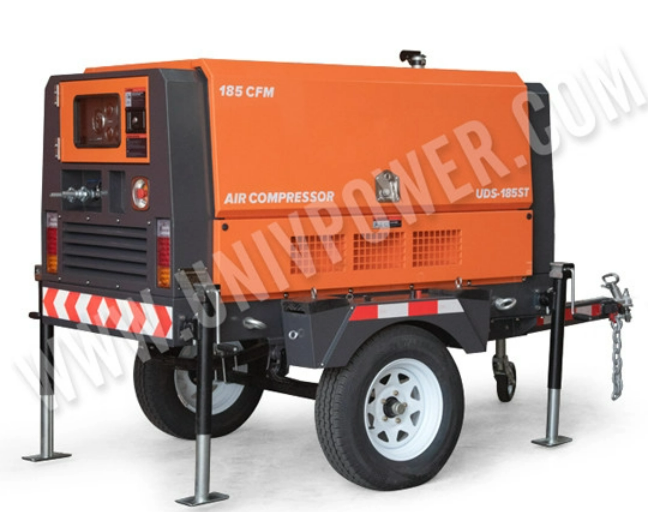
Choosing to buy or rent an air compressor requires careful evaluation. Consider usage, production needs, and industry requirements. Analyze costs, ROI, and total ownership expenses. Rentals offer flexibility and modern features, while ownership ensures control and reliability. ZHEJIANG UNIVERSAL MACHINERY CO., LTD. provides high-quality compressors, like the 185CFM model, delivering efficiency and long-term value for your operations.
A: Consider usage frequency, production requirements, and application-specific needs. Evaluating air compressor selection criteria helps align the choice with operational goals.
A: Analyze the air compressor purchase vs rental decision based on project duration, frequency, and long-term cost-benefit analysis. Rentals suit short-term needs, ownership fits regular use.
A: Production volume and pressure needs directly influence compressor size and type. Understanding these factors ensures reliable performance and efficiency under load.
A: Perform an air compressor cost-benefit analysis, including purchase price, maintenance, energy use, and potential resale value to determine long-term savings.
A: Rentals provide flexibility and access to state-of-the-art equipment, but high-demand industries may benefit from purchasing to ensure consistent performance and customization.
A: Owned units require routine upkeep, repairs, and trained staff, while rentals often include maintenance, reducing administrative effort and operational risk.
A: Yes, rental availability in your region can impact lead times and risk of delays, making it a key factor in the air compressor purchase vs rental decision.
A: Energy efficiency and operational costs should be evaluated in an air compressor cost-benefit analysis, as efficient units lower electricity or fuel expenses over time.
A: Frequent, high-volume usage and long-term projects typically justify buying, providing better ROI, operational control, and reduced dependency on rental schedules.
A: Storage, transportation, and onsite accessibility are critical. Rentals reduce logistical needs, while purchased units require planning for consistent use and proper installation.


